

School Gym Floor Restoration in Haverfordwest: Costs and Work
A school gym floor’s condition, rather than a standard price or fixed programme, determines the scope of restoration in Haverfordwest. School gym floor restoration in Haverfordwest can include repairs to damaged sections, sanding and refinishing. Planning should also account for dust filtration and the hall’s access requirements.
It’s understandable to want clear costs and a completion plan before arranging work around school use. The budget depends on the floor’s condition and the work required, while the schedule depends on preparation, repairs and finishing. This guide explains how those decisions are made, what progressive sanding and sealing involve, and how the scope informs a practical completion plan.
Table of Contents
Floor repairs
Assess repairs before sanding, because loose, damaged or uneven sections can affect the finished playing surface. The repair scope also helps determine the restoration sequence and when the hall can return to use.
Suitable Flooring Materials and Finishes
Timber is common in sports halls because it can be sanded and refinished as the surface wears. Choose a finish to suit the hall’s activities and intended use, not appearance alone. The condition of the boards and existing coating helps determine whether repair and refinishing are suitable. Tiled floors need a different restoration approach from timber.
Standards for Safety and Sports Performance
For a restored sports floor, consider both grip and the playing characteristics required for the hall’s activities. Include these needs in the project specification alongside the intended finish and the existing surface condition. Don’t judge the result by appearance alone: the floor should provide suitable grip and consistent performance across repaired areas. The criteria depend on how the school uses the space.
Preparing the Sports Hall
Before work starts, clear equipment, furniture and loose items from the hall so the floor can be inspected and accessed. Agree how access will be controlled during repairs, sanding and finishing. Pupils and staff should stay out of the work area while restoration is underway. Dust filtration can be planned as part of the work, with the scope and sequence tailored to the hall’s condition.
Delaying repairs can leave a loose board, damaged section or uneven area to cause problems during sports use. Using the hall while restoration is underway can disrupt the work and expose the surface to traffic before it is ready. Assess repaired areas as part of the complete floor, rather than treating them as isolated patches.
When comparing proposals, look at the written scope: which repairs are included, how sanding and dust filtration are handled, and what finish is proposed. Read any warranty terms carefully, including the work covered, exclusions and duration. After restoration, follow the care instructions for the finish, remove grit routinely and use suitable cleaning methods to limit avoidable wear.
Full sanding and restoration
A full restoration renews the timber surface in stages, rather than relying on one coarse sanding pass. The floor is progressively sanded through up to ten grades to remove the worn finish and refine the wood before a new seal is applied. The exact sequence depends on the boards’ condition and existing coating. Each stage prepares the surface for the next, helping create an even base for finishing.
Work can include wood floor sanding and refinishing, sealing and sports floor line marking. Each serves a different purpose: sanding removes the worn surface, the seal protects the prepared timber, and line marking defines activity areas. The scope depends on the floor’s condition and how the school uses the hall. A restoration plan should specify the treatments needed, rather than assume every floor requires the same package.
If timber has light scratches but does not need full restoration, screening and resealing may be a less extensive option. The surface is lightly sanded to key the existing seal and remove light scratches, then receives a new seal. This refreshes the coating without a complete sanding programme. Periodic screening and resealing can help prevent the seal wearing through, supporting a long floor lifespan with light maintenance between services.
Finish selection matters because the seal is the final layer over the prepared wood. Consider it alongside the hall’s playing requirements, the existing floor and the school’s maintenance routine. A clear project scope also explains how dust filtration will be managed during sanding, how line marking fits the required layout, and what preparation the hall needs before work begins.
For Haverfordwest schools planning a timber floor renewal, wood floor sanding and refinishing is the relevant service to explore. A considered assessment can establish whether the floor calls for full sanding, a lighter screen and re-seal, or additional line marking.

Project budget and completion
A school’s building budget does not indicate the cost of restoring its gym floor. Restoration costs depend on the timber’s condition, required repairs, sanding scope, finish and any line marking. The price depends on the individual project and is provided in a quotation.
For a useful project budget, the written scope should link each cost to a defined task. The assessment identifies damaged sections, the treatment needed and the finish required. It should also state whether the work covers the whole hall or selected areas. Discuss dust filtration, preparation and the final handover plan so the school understands what the proposed work includes.
Plan completion by matching the work sequence to the school calendar. The restoration team can organise access around the hall’s availability, then schedule repairs, sanding, sealing and any marking in the right order. Keep the floor out of use while work is underway and until the finish is ready. The project plan should set out access arrangements and the handover point.
Haverfordwest High VC School was completed in September 2022, two weeks ahead of programme and within budget. That construction result illustrates how a defined programme can support project control, but it does not predict the timescale or budget for a separate floor restoration. Those depend on the surface condition and agreed scope.
Before approving restoration, compare the quotation with the written work schedule. Confirm that the listed repairs, finish and completion arrangements match the intended outcome. A clear scope helps the school plan hall access and assess any changes if the floor’s condition calls for further work during preparation. This keeps budget decisions tied to the restoration itself, rather than a broader school construction figure.
Which companies restore school gym floors in Haverfordwest and Pembrokeshire?
For a timber sports hall in Haverfordwest or Pembrokeshire, choose a flooring service that covers sports-floor sanding and refinishing. The proposed scope should address the existing floor, repairs, finish and markings, rather than just general building work.
Compare proposals against the same practical points. A clear plan should describe the work sequence and explain how it responds to the hall’s condition. For example, check what the scope includes for:
Assessing damaged boards and identifying repairs before sanding.
Progressively sanding timber and applying a suitable final seal.
Dust filtration and sports floor line marking, if required.
These details make proposals easier to compare than broad descriptions such as “full restoration”. Match the proposed tasks to the hall’s needs, then consider the finish, line layout and work-area arrangements together. For a tiled surface, the relevant service is tiled floor restoration, not timber sanding.
Read warranty terms closely. Compare the work covered, any stated exclusions and how long the cover lasts. Consider the warranty alongside the written scope, since repair work, surface preparation and finishing may have different terms. Keep the quotation, agreed specification and handover information together for the school’s records.
For a local project in Haverfordwest, Pembrokeshire, Swansea, Cardiff, Bristol or Cardiganshire, the plan should explain how work will fit the school’s access requirements. Share the hall’s intended use, existing floor concerns and preferred completion arrangements. Restore-A-Floor can then set out the proposed work and the factors shaping the project plan, rather than offer a generic package.
If you’re planning a school sports-floor project in Haverfordwest, discuss your floor restoration requirements and outline the surface type, visible damage and intended use. Those details help establish a relevant scope for the work.
Restore-A-Floor: Tiled Floor Restoration & Cleaning
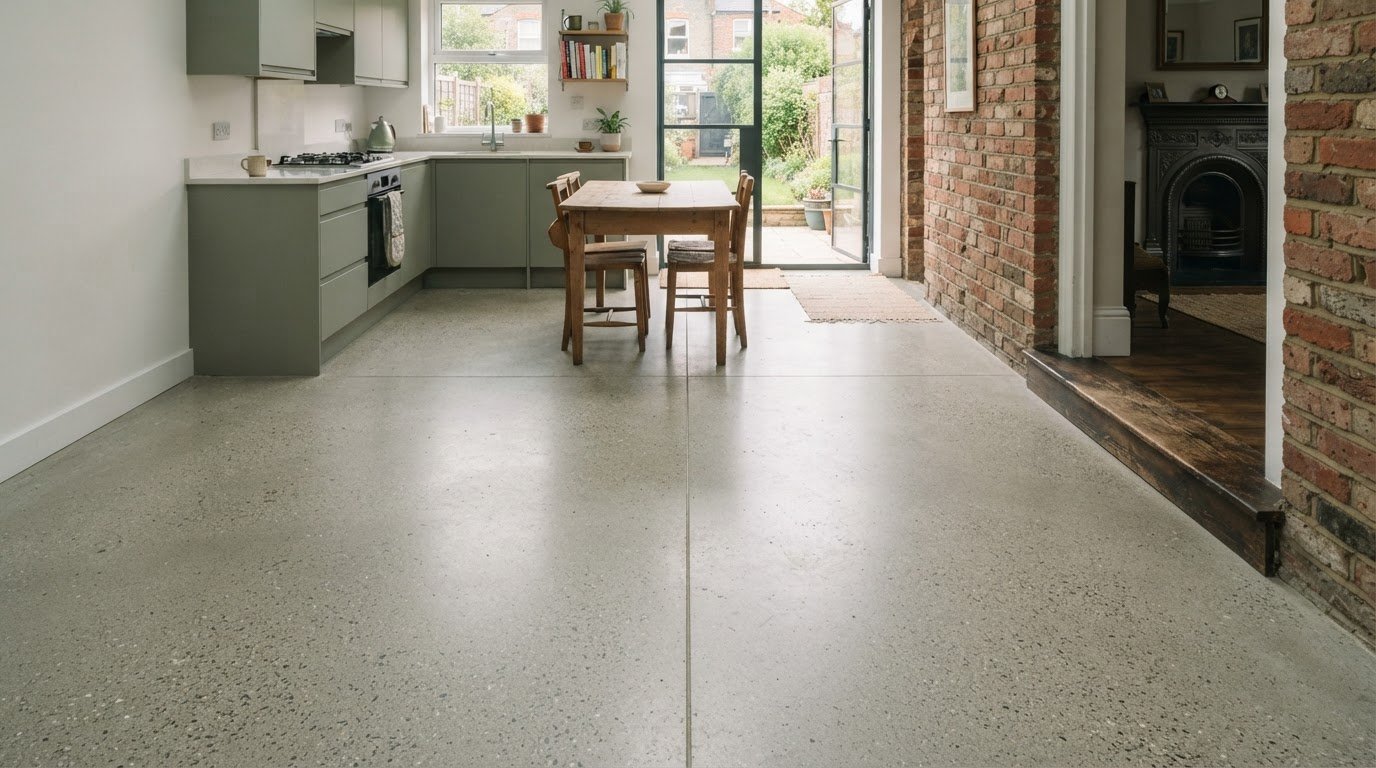
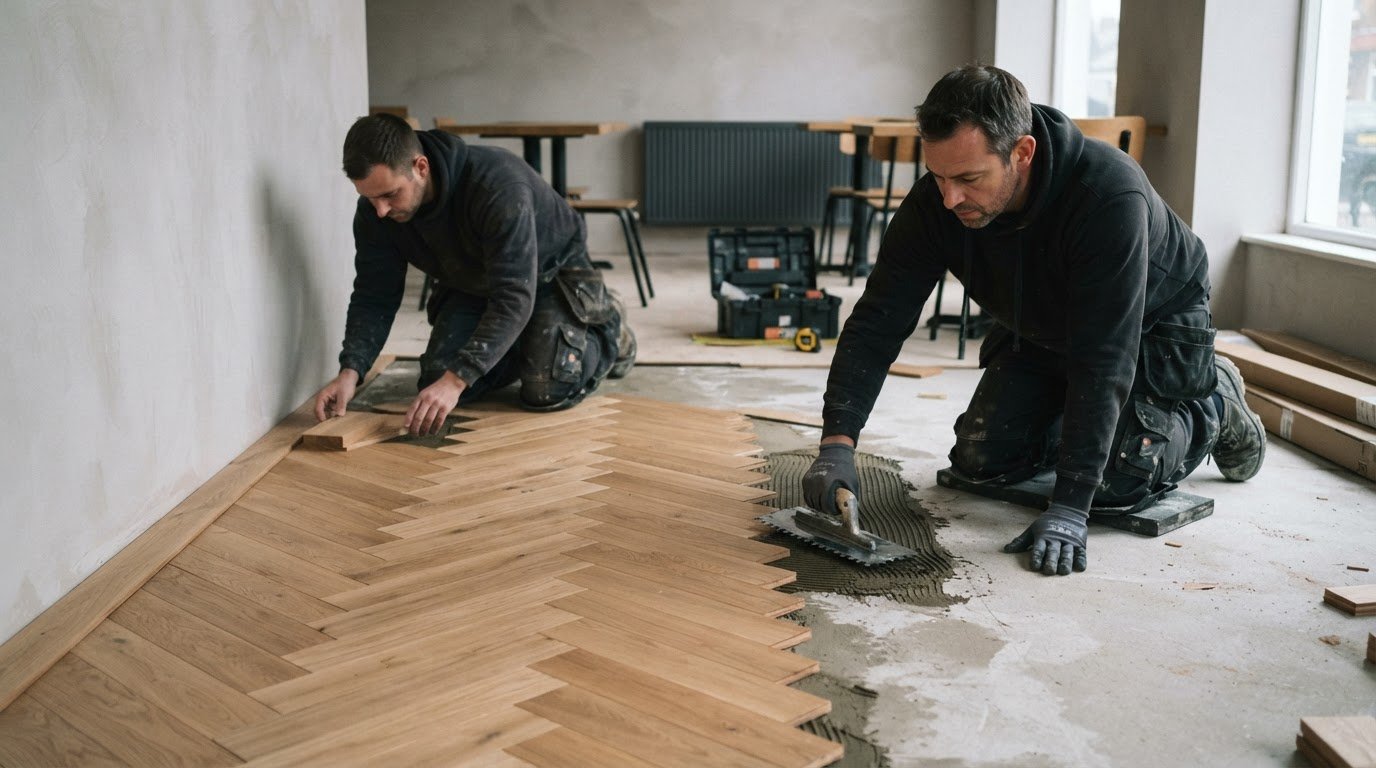
Restore-A-Floor is a practical next step once you’ve identified the floor material and restoration work your school hall needs. For tiled surfaces, Tiled Floor Restoration & Cleaning addresses a different need from timber sanding. For a worn wooden sports floor, Wood Floor Sanding & Refinishing is relevant; Concrete Floor Polishing and Parquet Floor Supply & Installation are suited to their respective floor types.
Sharing the hall’s surface type, visible wear and intended use helps shape a project scope around the actual floor. This matters when planning school gym floor restoration in Haverfordwest, because tiled and timber flooring require different treatments. Contact Restore-A-Floor to discuss your flooring requirements.
Plan the next step for your sports hall
For school gym floor restoration in Haverfordwest, turn the hall’s needs into a clear project brief. Note the floor surface, areas of wear, intended activities and any access constraints that could affect the programme. This gives the restoration discussion a practical starting point and helps align the proposed work with how the school uses its facilities.
Restore-A-Floor provides wood floor sanding and refinishing, concrete floor polishing, and parquet floor supply and installation. The right approach depends on the surface and the outcome required: a timber sports floor needs a different treatment from concrete or parquet. Share details of your hall and its priorities to start a focused conversation about the project.
Contact Restore-A-Floor to discuss your project and take the next step towards a well-planned floor restoration.
Frequently Asked Questions
How much does school sports hall floor restoration cost in the UK?
The cost depends on the hall’s floor area, surface condition and agreed restoration scope. A quotation should distinguish essential work, such as repairing damaged boards, from additional requirements such as sports line marking. For budgeting, share the floor type, areas of concern and desired finish so the proposed work reflects the actual project. Restore-A-Floor provides a quotation for the specific restoration requested.
How long does a school gym floor restoration project take?
Project duration depends on the hall’s size, required repairs and finishing work. The programme must also account for the time the applied finish needs before the floor is ready for use. Help with planning by identifying access windows, term dates and events that rely on the hall. The agreed schedule should specify when the work area is unavailable and when handover is planned.
What steps are involved in restoring a school gym floor?
A typical timber-floor restoration follows an ordered process:
Clear the hall and assess the floor’s condition.
Repair damaged sections before treating the surface.
Sand progressively, then remove surface dust.
Apply the finish and complete any required line marking.
Keep the hall closed until the floor is ready for use.
The precise scope depends on the existing surface and the school’s intended use.
Comments