

Expert Concrete Floor Grinding and Polishing: The Ultimate Guide to Polished Concrete
What if the most sophisticated design element in your property is currently hidden beneath a layer of old carpet or dated tiles? You likely suspect that your existing slab is nothing more than a functional subfloor, perhaps fearing it's too damaged to salvage or that professional concrete floor grinding and polishing will inevitably result in a cold, industrial aesthetic and a home filled with dust. It's a common concern for homeowners and developers alike who want the durability of stone without the sterile atmosphere of a warehouse.
We understand that a floor should be more than just a surface; it should be a bespoke reflection of your interior vision. This guide explores how two decades of industry expertise can transform your dull concrete into a durable, high-end designer finish that adds tangible value to your property. We'll detail our meticulous dust-free installation process and explain how a refined slab provides a seamless, low-maintenance alternative to traditional coverings, ensuring you achieve a sophisticated aesthetic whilst avoiding the typical mess of a renovation.
Table of Contents
What is Concrete Floor Grinding and Polishing?
Concrete floor grinding and polishing is a rigorous mechanical process that involves refining a structural slab through successive stages of diamond-impregnated tooling. It isn't a mere topical application or a simple coat of paint; it's a fundamental transformation of the material itself. By using heavy-duty grinding machines, we strip away surface contaminants, old adhesives, and structural irregularities, gradually closing the pores of the concrete until it achieves a dense, stone-like consistency. This transition from a raw, dusty subfloor to a high-performance reflective surface represents one of the most sustainable flooring choices available, as it utilises the thermal mass and structural integrity of the existing building.
Understanding the technical nuances between different methods is vital for any property owner. You'll often hear the terms "grind and seal" and "mechanically polished concrete" used interchangeably, but they yield very different results. A grind and seal involves a basic surface grind followed by a protective topical coating. In contrast, true mechanically polished concrete relies on a multi-stage honing process and chemical densifiers to harden the surface from within. This creates a floor that's exceptionally durable and doesn't rely on a vulnerable film for its shine. Our approach to concrete floor grinding and polishing focuses on this deep refinement, ensuring the final finish is an integral part of the slab rather than a layer sitting on top of it.
The Aesthetic Versatility of Polished Concrete
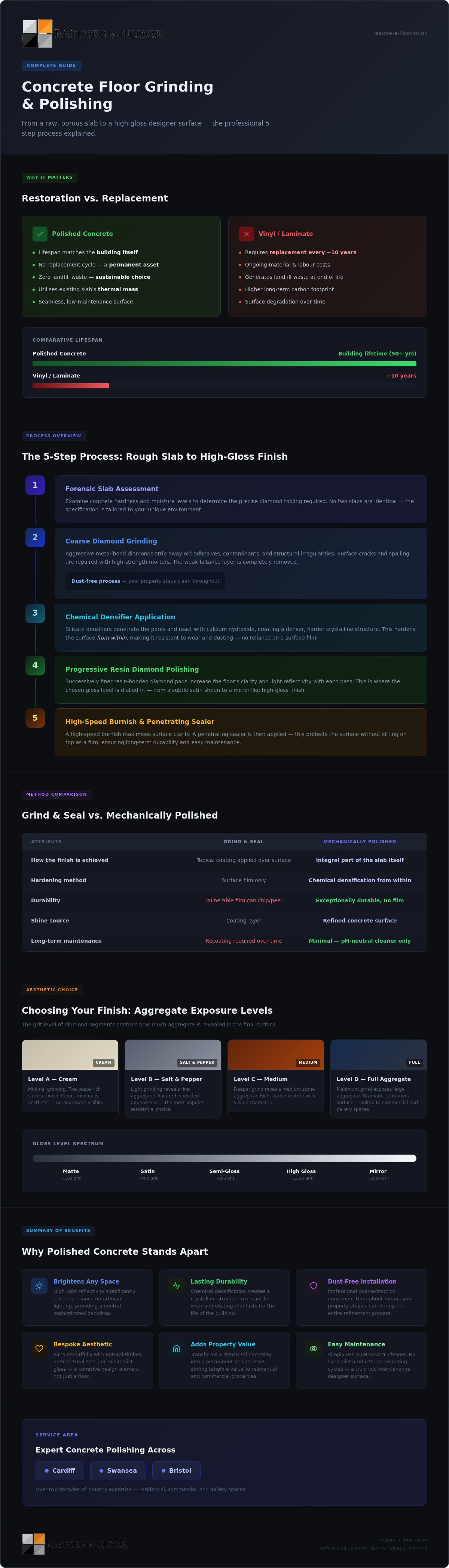
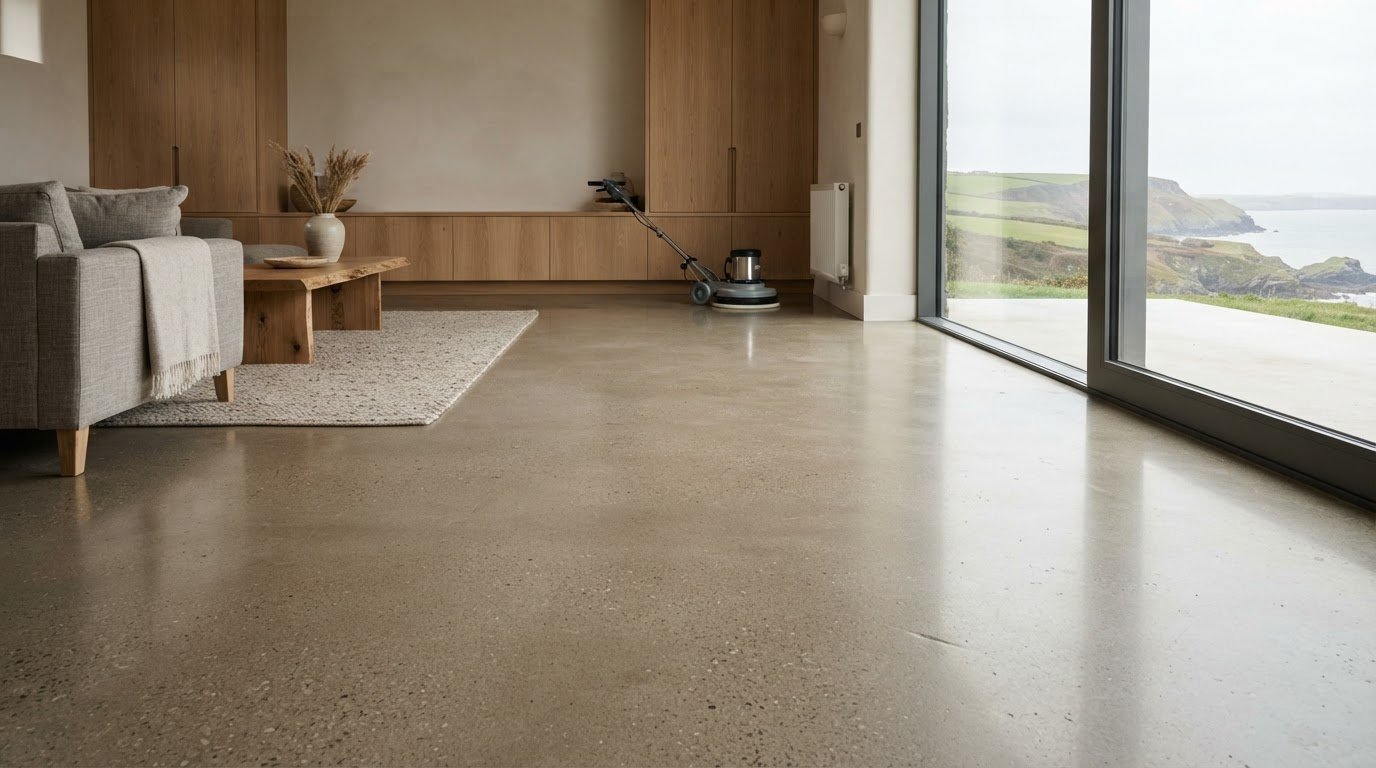
Modern refinement techniques have moved far beyond the utilitarian, industrial aesthetic once associated with warehouses. Through careful selection of aggregate exposure and gloss levels, we create bespoke surfaces that complement high-end residential interiors as effectively as commercial galleries. The high light reflectivity of a polished slab can significantly brighten a space, reducing the need for artificial lighting whilst providing a neutral, sophisticated backdrop. It's a finish that pairs beautifully with natural timber accents, architectural steel, or minimalist glass, allowing the floor to act as a cohesive design element rather than just a functional surface.
Why Restoration Beats Replacement
Choosing to restore an existing slab is often the most pragmatic and environmentally conscious decision a developer or homeowner can make. Rather than sending old materials to landfill and incurring the carbon cost of new floor systems, we leverage the pedigree of your original concrete. This restoration-first mindset is inherently cost-effective over the long term. Whilst vinyl or laminate may require replacement every decade, a correctly refined concrete floor offers a lifespan that matches the building itself. It's a seamless, low-maintenance solution that turns a structural necessity into a permanent design asset, perfectly suited for the varied property types found across Cardiff, Swansea, and Bristol.
The 5-Step Process: From Rough Slab to High-Gloss Finish
Every successful project begins with a forensic assessment of the slab. We examine the concrete's hardness and moisture levels to determine the specific diamond tooling required for your unique environment. This initial preparation is followed by coarse grinding, where we strip away old adhesives, contaminants, and surface imperfections. It's during these early stages of concrete floor grinding and polishing that the true character of the stone begins to emerge, setting the stage for a flawless, high-end finish.
Once the surface is uniform, we apply chemical densifiers. These silicates penetrate the pores, reacting with the calcium hydroxide to create a denser, harder crystalline structure that resists wear and dusting. Following this, we transition to progressive polishing using finer, resin-bonded diamond pads. Each pass increases the floor's clarity and light reflectivity until the desired gloss level is achieved. The process concludes with a high-speed burnish and the application of a penetrating sealer, ensuring maximum protection for your designer surface.
Diamond Grinding: The Foundation of Quality
The grit level of the diamond segments is the primary lever for controlling the final aesthetic outcome. Starting with aggressive metal-bond diamonds allows us to remove structural irregularities and level the floor. We also address any surface cracks or spalling at this stage, using high-strength repair mortars that blend seamlessly with the surrounding material. This meticulous approach ensures that the laitance, which is the milky, weak layer of cement paste, is entirely removed to expose the stronger and more attractive aggregate beneath the surface.
Dust-Free Technology: Protecting Your Interior
One of the most significant barriers to renovation is the fear of pervasive white dust settling on every surface. Unlike traditional wet methods that create a messy slurry, our dry grinding process utilises advanced industrial vacuum systems. These HEPA-filtered extractors capture 99.9% of airborne particulates at the source, ensuring your home or business remains clean and safe for sensitive electronics. This commitment to a clean workspace is a standard of our service, not an optional extra. If you're concerned about how your specific slab will react to this process, our team can provide a bespoke floor assessment to outline the best path forward for your property.
Choosing Your Finish: Aggregate Exposure and Gloss Levels
Selecting the final aesthetic of your floor is a critical decision that depends heavily on the initial condition of your slab and your specific design goals. Professional concrete floor grinding and polishing allows for a broad spectrum of finishes, categorised primarily by the depth of the grind and the level of shine. It's a bespoke process where we balance the structural realities of your concrete with the desired visual outcome, ensuring the result is both beautiful and functional.
There are three primary levels of aggregate exposure to consider:
Cream Finish: This is the most minimalist and challenging option, requiring a perfectly flat, power-trowelled surface. It preserves the natural character of the cement paste with virtually no stone exposure, resulting in a sleek, consistent appearance.
Salt and Pepper Finish: By removing the top 1-2mm of the surface, we reveal the fine sands and small stones within the mix. This is the most popular choice for modern British homes, as it effectively masks minor imperfections whilst providing a sophisticated, textured look.
Full Aggregate Exposure: For those seeking a bold, "terrazzo" style, a deeper grind reveals the larger stones. This requires significant material removal but creates a striking architectural feature that highlights the unique geology of the local concrete mix.
Once the exposure level is set, you can choose a gloss level that suits your space. Options range from a subtle matte or satin finish, which offers a natural stone feel, to a high-gloss mirror finish that maximises light reflectivity in open-plan residential or commercial environments.
Customising with Stains and Dyes
Beyond the natural grey of the slab, we can introduce permanent colour through specialised penetrating dyes. Unlike topical paints that can peel or flake, these dyes bond with the concrete to create deep, translucent tones. Popular palettes for contemporary interiors currently favour charcoals, warm greys, and muted earthy tones, allowing you to customise your concrete floor grinding and polishing project to match a specific architectural theme whilst maintaining the organic texture of the material.
Matching the Finish to the Environment
Practicality must always guide your aesthetic choices, particularly regarding safety and durability. In high-moisture areas such as kitchens or bathrooms, we adjust our refinement levels to ensure adequate slip resistance without compromising the visual appeal. For high-traffic retail or showroom floors, a denser, high-gloss finish is often superior due to its enhanced resistance to scuffing and ease of maintenance. Even outdoor spaces like patios and walkways can benefit from this process, using specific penetrating sealers designed to withstand the British climate whilst providing a seamless transition from your interior living space.
Durability and Maintenance: Keeping Your Floors Pristine
One of the primary reasons property owners choose concrete floor grinding and polishing is the extraordinary resilience of the finished surface. Unlike traditional floor coverings that trap allergens or wear down in high-traffic paths, a refined concrete slab remains structurally sound for decades. Maintaining that high-end designer aesthetic requires a disciplined approach to cleaning, though the effort involved is minimal compared to wood or stone. The most critical rule is the exclusive use of pH-neutral cleaners. Harsh domestic chemicals, particularly those containing bleach or acidic citrus components, will chemically react with the concrete; this leads to etching that permanently dulls the surface clarity.
Preventative care is equally important for preserving the seal. Placing high-quality mats at all external entrances helps capture abrasive grit before it can cause micro-scratches on the polished surface. Similarly, fitting felt pads to the legs of heavy furniture prevents gouging during movement. Whilst the densification process makes the floor incredibly hard, it's still a natural product that deserves careful management. If the surface eventually loses its brilliance due to heavy commercial use, a professional high-speed burnish or a light re-seal can often restore the floor to its original condition without the need for a full regrind.
Daily and Weekly Cleaning Routines
Dust mopping should be your daily priority. Airborne grit acts as a subtle abrasive; removing it regularly prevents the gradual loss of gloss. For weekly maintenance in residential or light commercial spaces, damp mopping with a clean microfibre pad and a specialised concrete soap is usually all that's required. This simple routine ensures that contaminants don't have the opportunity to bond with the surface, keeping the floor hygienic and visually striking. Avoid using excessive water, as the goal is to lift surface dirt rather than soak the slab.
Addressing Common Concerns: Cracks and Stains
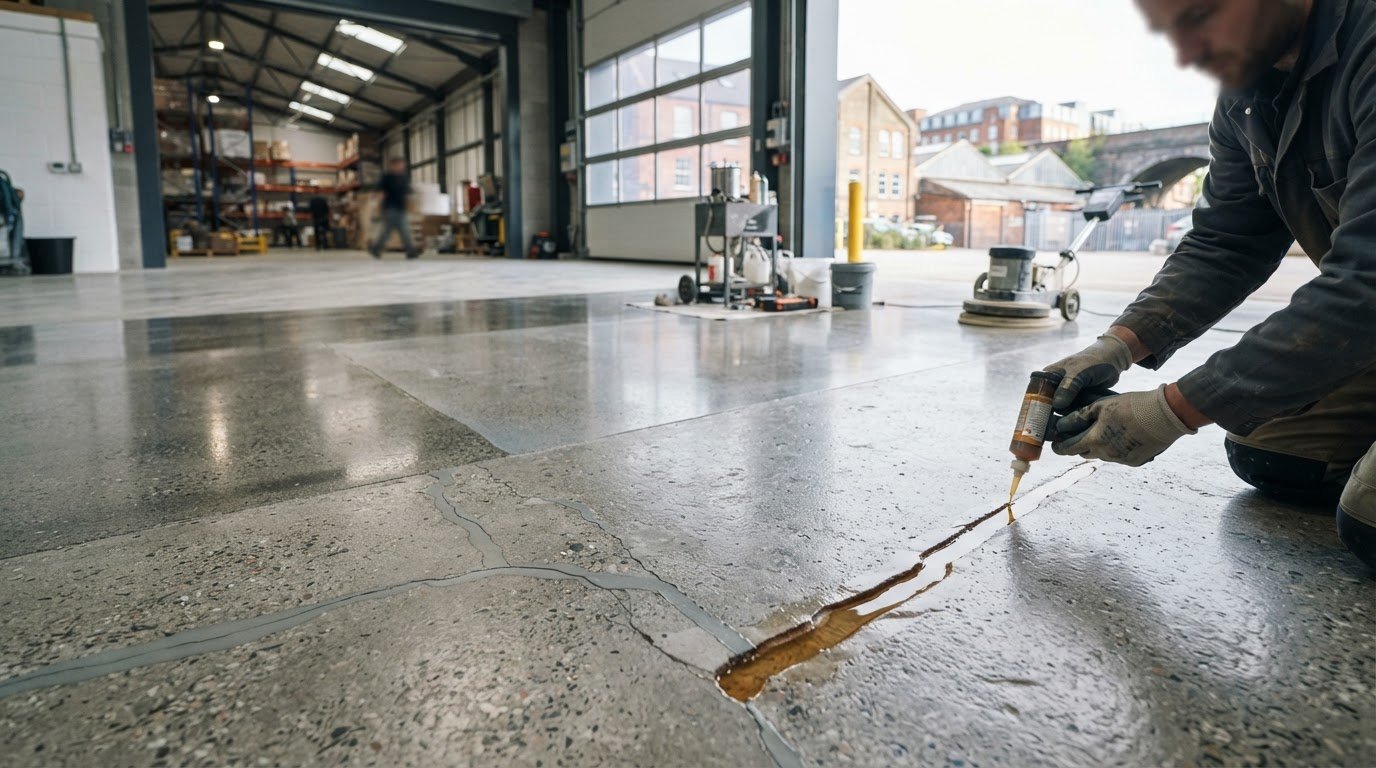
It's vital to remember that concrete is a natural, living material. Hairline cracks are often part of the slab's unique character and don't necessarily indicate structural failure. Modern penetrating sealers provide a vital window of protection against spills, allowing you time to clean up liquids before they can migrate into the pores of the stone. For older slabs with more significant damage, our team provides specialist concrete floor restoration services that can repair deep cracks and stains, seamlessly integrating the patches into the overall polished finish. This meticulous repair work ensures your floor retains its integrity whilst showcasing its historical pedigree.
Restore-A-Floor: Expert Concrete Polishing in Cardiff, Swansea, and Bristol
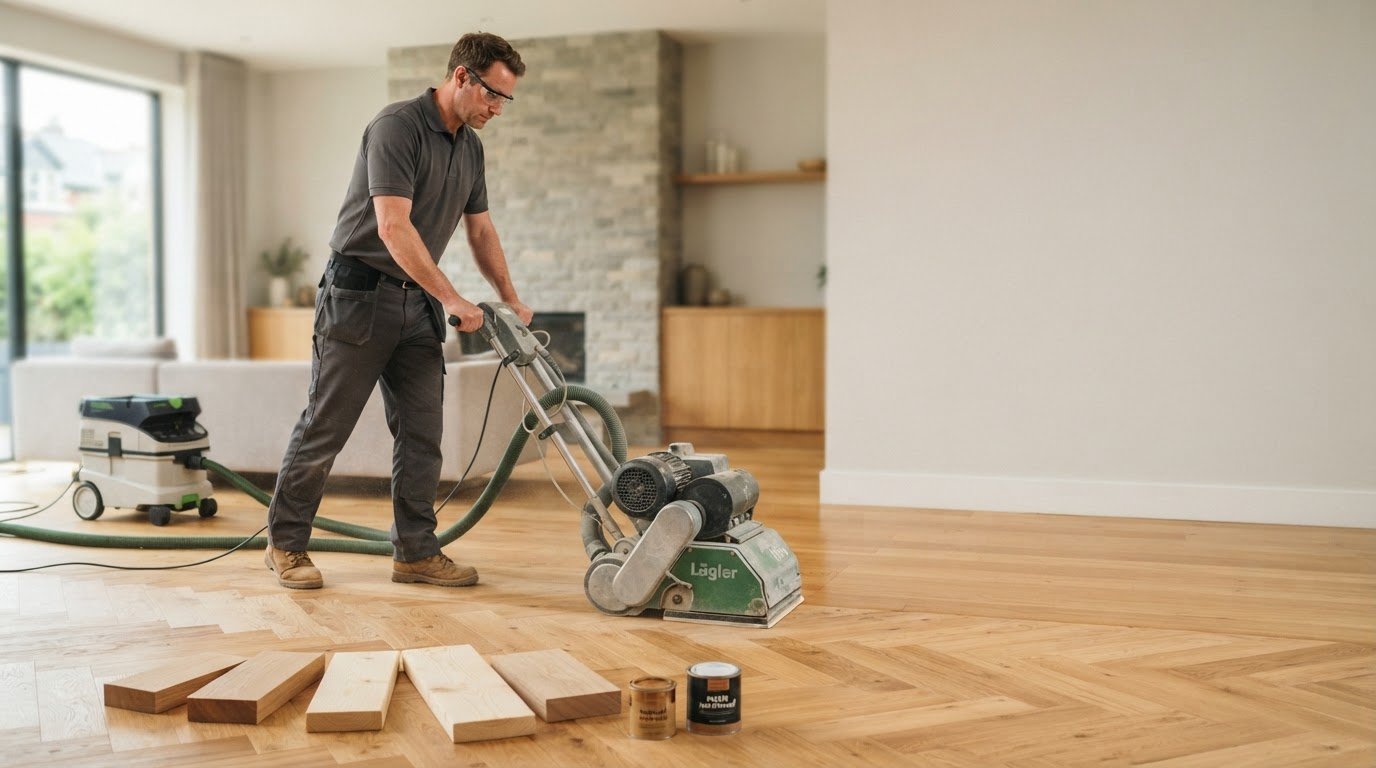
Restore-A-Floor represents over 20 years of dedicated craftsmanship in the flooring industry. As a family-owned specialist, we've built a reputation across South Wales and the West for delivering bespoke flooring solutions that combine technical precision with an eye for modern design. Our expertise isn't limited to a single surface; we provide a comprehensive suite of services ranging from wood floor sanding and refinishing to professional concrete floor grinding and polishing. This end-to-end capability allows us to manage complex projects where different materials must meet seamlessly, ensuring a consistent standard of quality throughout your entire property.
Choosing a local partner means benefiting from a deep understanding of regional property types and the specific challenges they present. Whether you're renovating a coastal home in Swansea or a contemporary apartment in Cardiff, our team brings a methodical approach to every slab. We don't believe in quick fixes or superficial treatments. Instead, we lean on our two-decade pedigree to ensure that every stage of the refinement process, from sub-floor preparation to the final application of the seal, is executed with meticulous care.
Serving Residential and Commercial Clients Locally
Our reach extends across the region, providing high-end finishes for residential properties in Pembrokeshire and Cardiganshire whilst supporting large-scale commercial restoration for businesses in Bristol and Haverfordwest. We recognise that commercial environments require a specific level of durability and hygiene, particularly in retail or showroom settings where first impressions are paramount. By maintaining a dust-free environment as a standard part of our workflow, we ensure that your operations can continue with minimal disruption, honouring our commitment to both the local community and the highest professional standards of concrete floor grinding and polishing.
Request Your Free Consultation and Quote
Every project begins with a thorough site visit to assess the condition of your existing concrete. We examine the slab for structural integrity, moisture levels, and previous coatings to ensure our proposed solution is perfectly tailored to your requirements. This assessment allows us to provide an accurate, fixed quote, giving you complete confidence in the investment you're making in your property. We guide you through the various aggregate exposure and gloss options, helping you select a finish that matches your interior vision. To take the first step toward transforming your space, organise your free concrete floor consultation today and experience the Restore-A-Floor difference.
Elevate Your Space with a Refined Concrete Finish
Choosing professional concrete floor grinding and polishing is more than a simple renovation; it's a long-term investment in the structural and aesthetic value of your property. By refining your existing slab, you create a seamless, low-maintenance surface that rivals the most expensive natural stone finishes. This process is inherently sustainable, leveraging the materials already within your building whilst providing a sophisticated backdrop that complements any modern interior design.
As a local, family-owned specialist with over 20 years of industry experience, Restore-A-Floor delivers these results through meticulous craftsmanship and advanced dust-free technology. We take pride in guiding our clients through every technical decision, from aggregate exposure to final gloss levels, ensuring a bespoke outcome for every project in Swansea, Cardiff, and Bristol. Your vision for a durable, high-end floor is within reach, and we're ready to provide the expertise required to make it a reality.
Frequently Asked Questions
Can any concrete floor be ground and polished?
Most structural slabs can be refined, but the final outcome depends on the concrete's quality and age. We meticulously assess each surface for soft spots, excessive cracking, or deep contamination before beginning. If a slab is significantly damaged, we may suggest specific repairs or an overlay. However, the vast majority of residential and commercial floors across South Wales are suitable for some level of professional refinement.
Is polished concrete flooring slippery when wet?
Despite its high-gloss appearance, polished concrete isn't significantly more slippery than other hard surfaces like marble or ceramic tile. When kept clean and dry, it offers excellent traction for daily use. In areas prone to moisture, such as entryways or kitchens, we can adjust the grit levels or apply specialised anti-slip treatments. This ensures the surface meets safety standards whilst maintaining its sophisticated aesthetic appeal.
How long does the concrete grinding and polishing process take?
A typical project for a standard residential area usually takes between four and six days to complete. This timeline depends on the desired aggregate exposure and the initial condition of the slab. Larger commercial spaces or those requiring extensive structural repairs may take longer. We provide a detailed schedule during our initial site visit to ensure you can manage your property access effectively during the transformation.
Does concrete floor polishing create a lot of dust in my home?
Our process is designed to be virtually dust-free through the use of high-performance industrial vacuum systems. These HEPA-filtered extractors are connected directly to the grinding machinery, capturing 99.9% of particulates at the source. This ensures that your interior environment remains protected throughout the concrete floor grinding and polishing process, protecting your sensitive electronics and eliminating the need for extensive post-project cleaning.
How does the cost of polished concrete compare to tiled flooring?
Whilst the initial investment for professional refinement can be higher than mid-range tiling, it's often more cost-effective over the building's lifespan. You're eliminating the need for grout maintenance and the future replacement of cracked tiles. Because we utilise the existing structural slab, you're investing in a permanent architectural feature rather than a temporary covering that will eventually require costly removal and disposal.
Can I polish concrete floors that have underfloor heating installed?
Yes, polished concrete is an exceptional companion for underfloor heating systems due to its high thermal mass. The material absorbs and retains heat efficiently, radiating it evenly across the room long after the heating has been turned off. This synergy creates a comfortable, energy-efficient environment, making it a favourite choice for modern extensions and new builds across Cardiff, Swansea, and Bristol.
What is the difference between a grind and seal and a polished floor?
A grind and seal relies on a topical coating for its shine and protection, whereas mechanically polished concrete involves refining the slab itself. The latter uses chemical densifiers and progressive diamond honing to create a surface that is an integral part of the concrete. This results in superior durability and breathability, as there's no film to peel, flake, or wear away in high-traffic areas over time.
Do polished concrete floors feel cold in a residential setting?
While concrete has a reputation for being cold, its temperature usually mirrors the ambient air of the room. In a well-insulated modern home, the floor feels neutral underfoot and doesn't hold the chill like unrefined stone. When paired with underfloor heating, it becomes one of the warmest surfaces available. Many homeowners find the visual warmth of the exposed aggregate creates a very inviting atmosphere.
Comments